
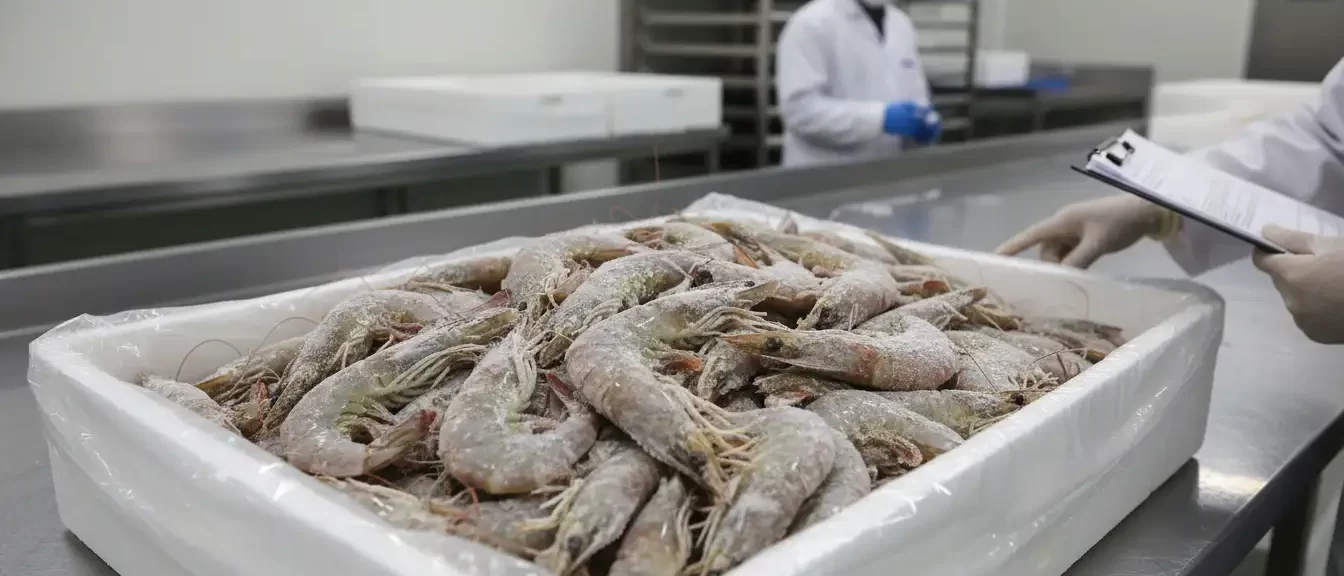
Why Quality Standards Matter in Shrimp Export
Quality standards play a critical role in the international trade of frozen shrimp. For importers, distributors, and foodservice buyers, consistent quality is not optional—it is a requirement. Export-grade frozen shrimp must comply with strict inspection, handling, and documentation standards to ensure food safety, regulatory compliance, and predictable performance upon arrival.
Among different frozen shrimp categories traded internationally, Frozen Vannamei Shrimp remains the most widely exported option due to its uniform size, stable freezing behavior, and strong acceptance across multiple import markets.
In global seafood trade, quality standards define whether a shipment is accepted, delayed, or rejected at destination ports. For buyers sourcing from emerging and established origins alike, understanding shrimp quality standards helps reduce commercial risk and ensures long-term supply stability
Core Quality Parameters for Frozen Shrimp
Appearance, Color & Texture Standards
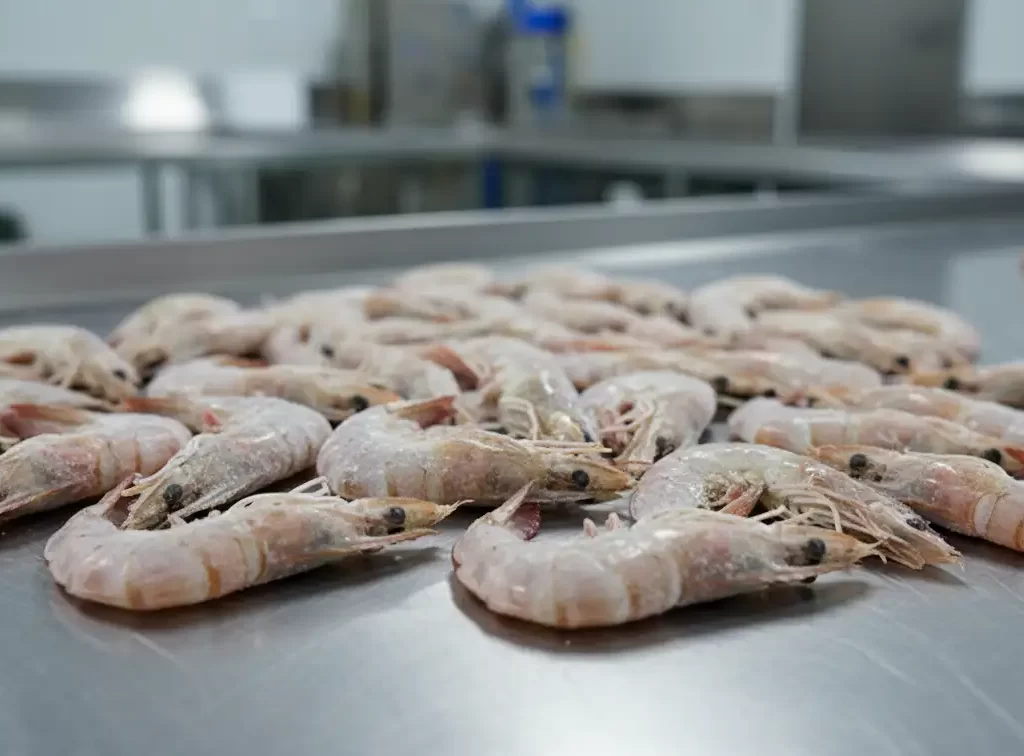
Visual quality is the first checkpoint in frozen shrimp inspection, especially for Frozen Vannamei Shrimp supplied to international markets. Export-grade frozen shrimp should exhibit a natural pale gray to light pink color, free from discoloration, black spots, or excessive dehydration. Export-grade frozen shrimp should exhibit a natural pale gray to light pink color, free from discoloration, black spots, or excessive dehydration. Texture must remain firm and intact, indicating proper freezing and cold-chain handling.
Shrimp that shows signs of surface damage, broken segments, or unnatural gloss may indicate poor freezing practices or temperature abuse during storage and transportation—factors that directly affect acceptance by international buyers.
Size Grading & Count Accuracy
Size grading is a fundamental component of shrimp quality standards. Export contracts are typically defined by count per kilogram or count per pound, making grading accuracy essential for commercial transparency.
Export Shrimp Size Grading – Count per Kilogram (Vannamei)
| Size Range (Count/KG) | Typical Market Use | Buyer Notes |
|---|---|---|
| 10/20 | Premium retail & foodservice | Large shrimp; higher price point and strong presentation value. |
| 20/30 | Foodservice & grilling | Popular for hotels and HoReCa menus; consistent portioning. |
| 30/40 | Balanced commercial size | High demand across mixed channels; good balance of yield and cost. |
| 40/50 | Processing & repacking | Cost-efficient and versatile; commonly used for repack and retail bags. |
| 50/60 | Industrial & value packs | Used for further processing and value-focused SKUs. |
| 60/70 | Institutional buyers | Smaller portions; stable performance in bulk kitchens and supply chains. |
| 70/80 | IQF bulk applications | Budget-oriented programs; commonly used in mixed industrial applications. |
| 80/100 | Processing input | Typically used for PUD / minced products and large-scale processing lines. |
Consistent sizing ensures that buyers receive predictable yields, portion control, and pricing alignment. Deviations in declared count may lead to disputes, claims, or shipment rejection—especially in institutional and foodservice supply chains.
This level of sizing accuracy is a core requirement when sourcing from a Frozen Vannamei Shrimp Exporter from Iran, as international contracts, pricing terms, and buyer confidence depend directly on declared count reliability.
Processing & Handling Standards
Freezing Method IQF vs Block
The freezing method significantly impacts shrimp quality. Individually Quick Frozen (IQF) shrimp preserves texture, prevents clumping, and allows flexible portioning, while block frozen shrimp is commonly used for industrial processing applications.
Proper freezing minimizes cellular damage, reduces drip loss after thawing, and ensures product integrity throughout international transport.
Glazing Percentage & Net Weight Control
Glazing is applied to protect frozen shrimp from dehydration, but excessive glazing reduces net weight and may violate buyer specifications. Export quality standards typically define acceptable glazing ranges to maintain transparency and trust.
Accurate net weight declaration—after glazing—is essential for compliance with import regulations and buyer contracts
Food Safety & Regulatory Compliance
HACCP & Export Inspection Requirements
Export-grade shrimp production must follow internationally recognized food safety systems such as HACCP. These systems ensure hazard control at every stage—from raw material handling to freezing, storage, and shipment preparation.
Regular inspections, documented control points, and traceability records form the backbone of compliance for international shrimp export operations
Microbiological & Residue Standards
Frozen shrimp destined for international markets must meet strict microbiological thresholds and residue limits. Testing focuses on pathogens, antibiotic residues, and overall product hygiene.
Compliance with destination-specific regulations—such as EU or GCC standards—ensures smooth customs clearance and reduces post-arrival claims.
Documentation & Export Readiness
Quality standards extend beyond physical product attributes. Complete export documentation—including health certificates, packing lists, and inspection reports—confirms regulatory compliance and shipment readiness.
For international buyers, documentation accuracy is often as critical as product quality itself.
Conclusion: Quality Standards as a Competitive Advantage
Adherence to shrimp quality standards transforms frozen shrimp from a commodity into a reliable export product. For buyers seeking consistency, regulatory compliance, and predictable supply, quality-focused sourcing reduces operational risk and supports long-term partnerships.
Understanding these standards allows importers and distributors to make informed sourcing decisions in competitive global seafood markets.
Add a Comment