
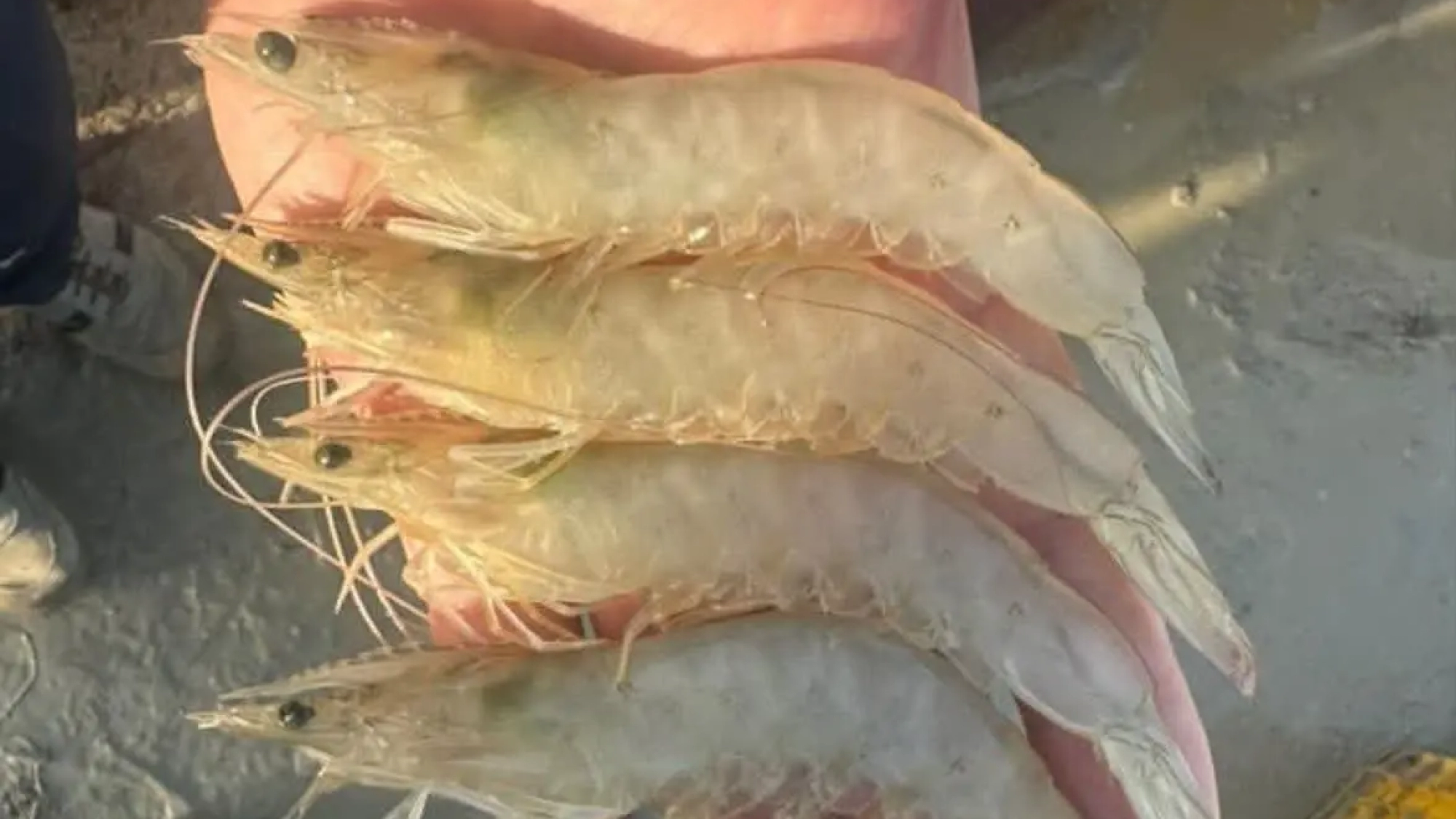
Species Overview
Vannamei shrimp has become the defining species of modern seafood trade. Known scientifically as Litopenaeus vannamei, this shrimp is widely recognized across international markets under several commercial names, including whiteleg shrimp and Pacific white shrimp.
Unlike many seafood products that remain regionally specific, vannamei shrimp developed into a globally standardized commodity. Its predictable growth cycle, consistent sizing, and adaptability to aquaculture systems made it the preferred species for year-round production.
Today, most international buyers, processors, and distributors searching for reliable shrimp supply inevitably encounter vannamei shrimp as the industry benchmark.
For companies operating as a professional Vannamei supplier, the species represents stability rather than novelty — a product designed for continuity of trade rather than seasonal opportunity.
Naming and Industry Terminology
Seafood terminology often varies between regions, which can create confusion for newcomers to the sector.
Vannamei shrimp may appear in documentation or market listings as:
Whiteleg shrimp
Pacific white shrimp
Farmed white shrimp
Vannamei white shrimp
Despite the different names, these references typically describe the same species.
Understanding this terminology matters because importers frequently search using different naming conventions while referring to identical product specifications.
Rather than focusing on naming differences, professionals evaluate format, grading consistency, freezing method, and handling standards — factors that ultimately determine commercial suitability.
Farming Systems Behind Vannamei Production
The global success of vannamei shrimp is closely tied to aquaculture development.
Modern shrimp farming allows controlled production environments where growth rate, feed efficiency, and survival ratios can be managed more predictably than traditional capture fisheries.
This production model supports:
- Continuous supply cycles
- Standardized sizing
- Stable export planning
- Reliable logistics scheduling
Because of these advantages, the majority of Frozen vannamei shrimp available in international markets originates from aquaculture operations rather than wild harvesting.
Consistency — not simply volume — is the main reason buyers increasingly prioritize vannamei supply chains.
Commercial Frozen Formats and Processing
Once harvested, vannamei shrimp enters processing facilities where it is graded, cleaned, and frozen according to export specifications.
Common commercial formats include:
- HOSO (Head-On Shell-On)
- HLSO (Headless Shell-On)
- PUD (Peeled Undeveined)
- PTO (Peeled Tail-On)
Each format serves different market needs.
Retail programs may prioritize appearance and presentation, while foodservice buyers often focus on yield and preparation efficiency.
Processing decisions are therefore closely linked to end-market application rather than species characteristics alone.
Size Grading and Standard Market Specifications
Standard Vannamei Shrimp Size Chart
Shrimp “size count” is typically expressed as the number of shrimp per pound (lb). For convenience, the table also shows an approximate count per kilogram (kg).
| Size Count (per lb) | Approx. Count (per kg) | Category |
|---|---|---|
| 16/20 | ≈ 35–44 | Extra Colossal |
| 20/30 | ≈ 44–66 | Large |
| 30/40 | ≈ 66–88 | Medium Large |
| 40/50 | ≈ 88–110 | Medium |
| 50/60 | ≈ 110–132 | Medium Small |
| 60/70 | ≈ 132–154 | Small |
| 70/90 | ≈ 154–198 | Extra Small |
| 90/120 | ≈ 198–265 | Very Small |
International shrimp buyers may reference either pound-based or metric size grading systems depending on market practice.
Vannamei Shrimp Size Chart (Count per kg)
Some buyers use metric grading (count per kilogram). The equivalents below are approximate conversions to count per pound (lb).
| Size Count (per kg) | Approx. Equivalent (per lb) | Closest Common Trade Size (per lb) |
|---|---|---|
| 20/30 | ≈ 9–14 | ≈ 10/15 or 13/15 (varies by market) |
| 30/40 | ≈ 14–18 | ≈ 16/20 |
| 40/50 | ≈ 18–23 | ≈ 20/30 |
| 50/60 | ≈ 23–27 | ≈ 20/30 or 26/30 |
| 60/70 | ≈ 27–32 | ≈ 30/40 |
| 70/90 | ≈ 32–41 | ≈ 30/40 or 40/50 |
| 90/120 | ≈ 41–54 | ≈ 40/50 or 50/60 |
| 120/150 | ≈ 54–68 | ≈ 60/70 |
One of the strongest commercial advantages of vannamei shrimp is uniform size grading.
Instead of measuring shrimp by physical length, international trade relies on count-based sizing systems — the number of shrimp per unit weight.
Buyers commonly reference a Shrimp size chart to determine suitable counts for retail packaging, restaurant use, or further processing.
Uniform sizing enables predictable portion control, cooking performance, and pricing structures across markets.
Quality and Handling Standards
Quality evaluation in shrimp trade extends far beyond visual appearance.
Professional buyers assess multiple indicators, including:
- freezing method
- glazing control
- texture preservation
- cold chain stability
- packaging integrity
Topics such as Shrimp glazing and established Shrimp quality standards play a critical role in protecting product integrity during long-distance transport.
Rather than representing added complexity, these standards function as communication tools between exporter and importer, ensuring both parties evaluate the product under shared expectations.
Major Export Regions and Supply Origins
Vannamei shrimp production spans multiple continents, with Asia and Latin America serving as primary supply centers.
However, emerging production regions have gained attention for combining aquaculture development with expanding export infrastructure.
Global Vannamei Shrimp Production Distribution
Global production of vannamei shrimp is concentrated in several key aquaculture regions. The chart below illustrates approximate production share across major supply origins.
Iran Vannamei Shrimp in Export Supply Chains
In recent years, Iran vannamei shrimp has become increasingly visible within international seafood trade discussions.
Iran’s coastal aquaculture zones benefit from favorable environmental conditions and controlled farming expansion. Export programs focus on standardized processing, cold-chain compliance, and shipment consistency rather than volume alone.
For buyers involved in Sourcing vannamei shrimp, diversification of supply origins has become an important strategy for managing logistics risk and maintaining year-round availability.
Applications Across Global Markets
Vannamei shrimp serves a wide spectrum of market applications:
- Retail frozen packs
- Foodservice distribution
- Value-added processing
- Breaded and ready-to-cook products
Its neutral flavor profile, reliable sizing, and adaptable processing formats allow it to move efficiently between different commercial channels.
Instead of being limited to a single culinary tradition, vannamei shrimp functions as a flexible raw material across global cuisines.
Industry Perspective and Supply Coordination
Modern seafood trade relies heavily on coordination between farms, processors, exporters, and distributors.
Companies such as F2f foods company operate within this ecosystem by aligning sourcing strategy, product specification, and market requirements rather than focusing solely on individual transactions.
The industry increasingly values long-term supply relationships supported by transparency, documentation clarity, and consistent product understanding.
FAQ
Quick answers to common questions about vannamei shrimp in global seafood trade.
Add a Comment